
Legacy Flooring Contractors
Hardwood Products & Installation for Olathe, KS
Timeless Beauty, Built to Last
Hardwood Flooring for Homes and New Builds in Olathe, KS
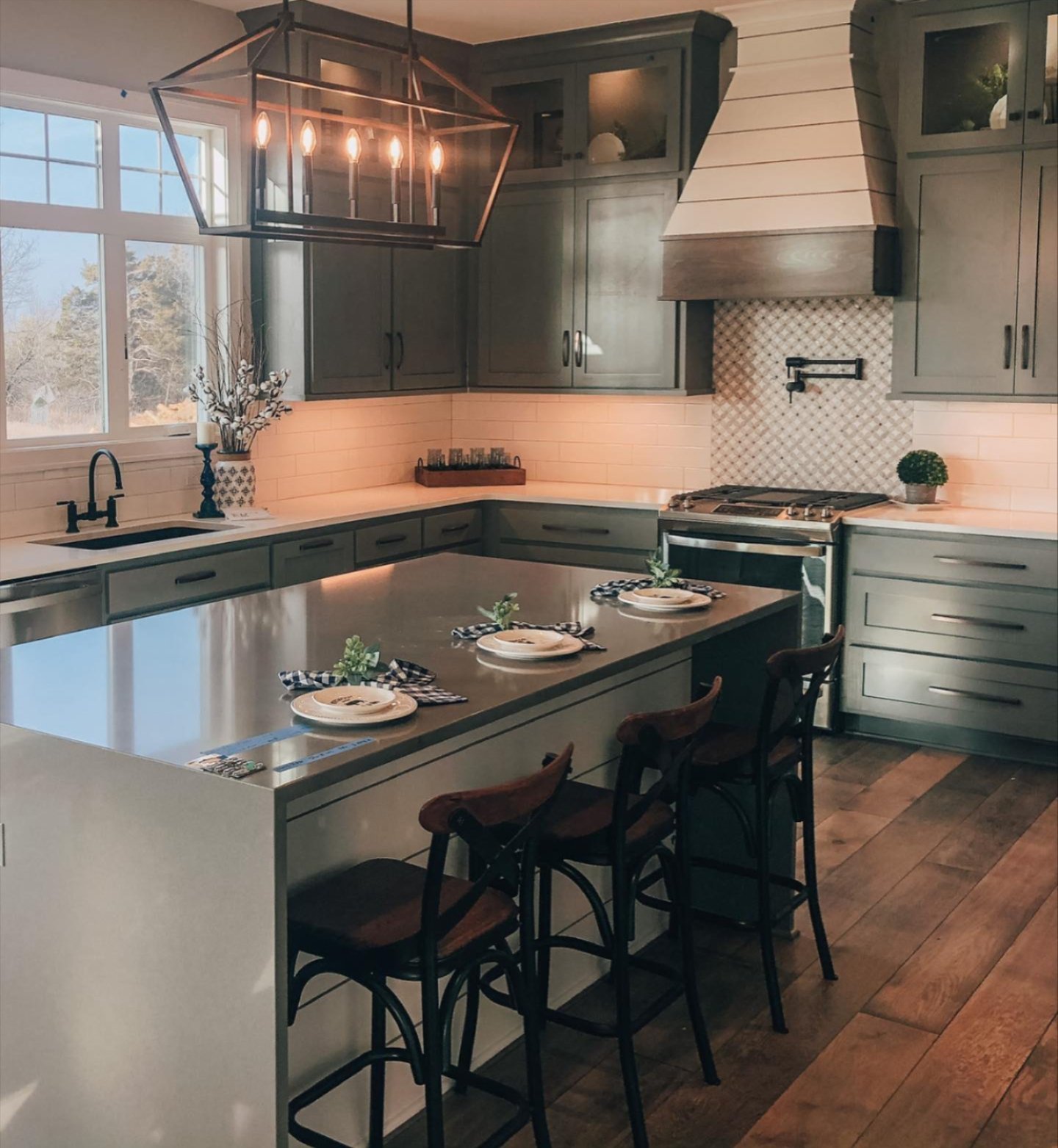
Hardwood flooring brings warmth, character, and long-term value to any space, whether you’re building a brand-new home or updating a well-loved one. At Legacy Flooring Contractors, we offer a wide range of solid and engineered hardwood options to suit every style and installation need. Our team works closely with homeowners to recommend floors that suit their space and lifestyle, and with contractors to streamline selections for multiple builds. We'll help you choose the right type based on your subfloor and location—engineered hardwood for basements or concrete slabs, solid wood for above-grade, humidity-controlled rooms, and floating floors for remodels where time and cost efficiency matter.

Find Out More
✦
Types of Hardwood
See available wood floor styles and learn more about their specific features.
✦
Flooring Installation
We share professional insights and more about the flooring installation process.
Hardwood Inspiration
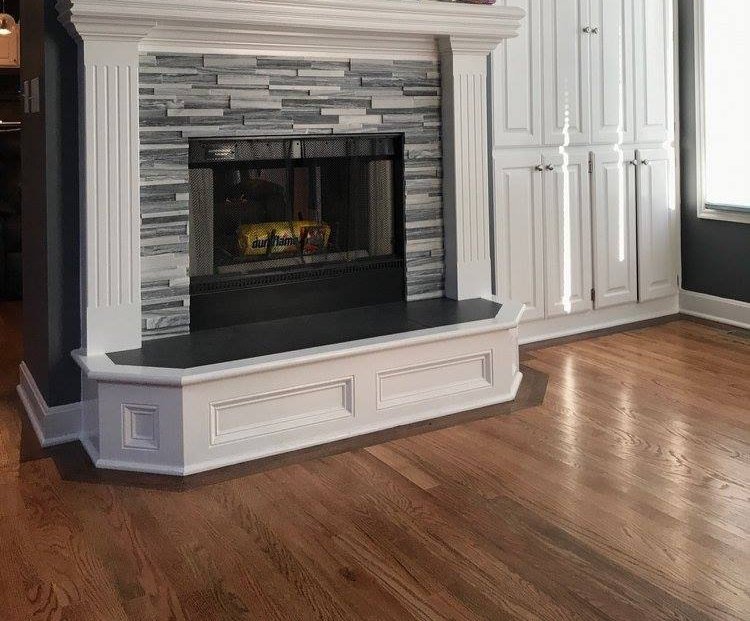
Find the Right Fit
Types of Hardwood Flooring for Every Space and Style
Understanding the differences between hardwood flooring types can help you make a confident, informed decision, whether you're planning a full home remodel or selecting finishes for new construction. At Legacy Flooring Contractors, we offer both solid and engineered hardwood options in a variety of domestic and exotic wood species, along with both prefinished and unfinished flooring. We’ll help you select the best fit based on where the floor will be installed (above or below grade), what kind of subfloor you have, and the performance features you need.
Solid Wood Floors
Solid wood flooring is crafted from a single piece of hardwood, typically 3/4" thick, and built for timeless beauty and durability. These floors are ideal for above-grade installations over wooden subfloors, where humidity can be controlled. Solid hardwood must be nailed or stapled down and can be sanded and refinished multiple times, making it a great long-term investment. Choose from trusted species like oak, maple, hickory, American cherry, and Brazilian cherry for rich, natural character in every plank.
Engineered Wood Floors
Engineered hardwood is built with layered construction for added strength and moisture resistance. It’s a top choice for basements, remodels, and areas with concrete subfloors, thanks to its stability and installation flexibility—it can be glued, stapled, or floated, even over existing floors. Engineered wood handles humidity changes better than solid wood and can be installed above, on, or below grade. Available in a wide range of widths, thicknesses, and species, engineered hardwood is perfect for both modern and traditional projects.
Exotic Wood Species
Looking for something more distinctive? Our collections include exotic hardwoods from around the world that bring bold visuals and rare grains to your flooring. These unique species often feature striking colors, dramatic patterns, and luxurious finishes. Keep in mind that some exotic woods are photosensitive and may change color over time with exposure to sunlight—our team will help guide you on what to expect and how to protect your floors.
Prefinished vs. Unfinished Hardwood
Not sure whether to go with prefinished or unfinished wood? Prefinished floors come with factory-applied finishes like Mohawk’s Scotchgard™ or CrystalShield™, making them durable, mess-free, and ready to walk on the same day. Unfinished hardwood gives you more customization with staining and finishing done on-site, but requires more time and cleanup. We’ll help you decide which option works best based on your timeline, design goals, and space.
Installed with Care & Precision
Professional Hardwood Flooring Installation You Can Trust
Hardwood flooring is an investment, and the installation process plays a big role in how it looks and lasts. At Legacy Flooring Contractors, our experienced team handles every detail with precision, from planning and measuring to subfloor prep and final placement. Whether you’re installing over concrete or wood, above or below grade, we’ll help select the right materials and underlayment for the space. Our team uses industry-best tools and techniques to ensure your hardwood floor is installed cleanly, correctly, and ready to perform beautifully for years to come
- Mohawk Engineered Installation Instructions More Info
- Mohawk Engineered Uniclic Installation Instructions More Info
- Mohawk 3/8″ Solid Installation Instructions More Info
- Mohawk 3/4″ Solid Installation Instructions More Info
- Mohawk Locking Strand Bamboo Uniclic Installation Instructions More Info
- Mohawk Tongue and Groove Strand Bamboo Installation Instructions More Info
- Mohawk® Engineered Hardwood with HDF Core Direct Glue Installation Instructions More Info
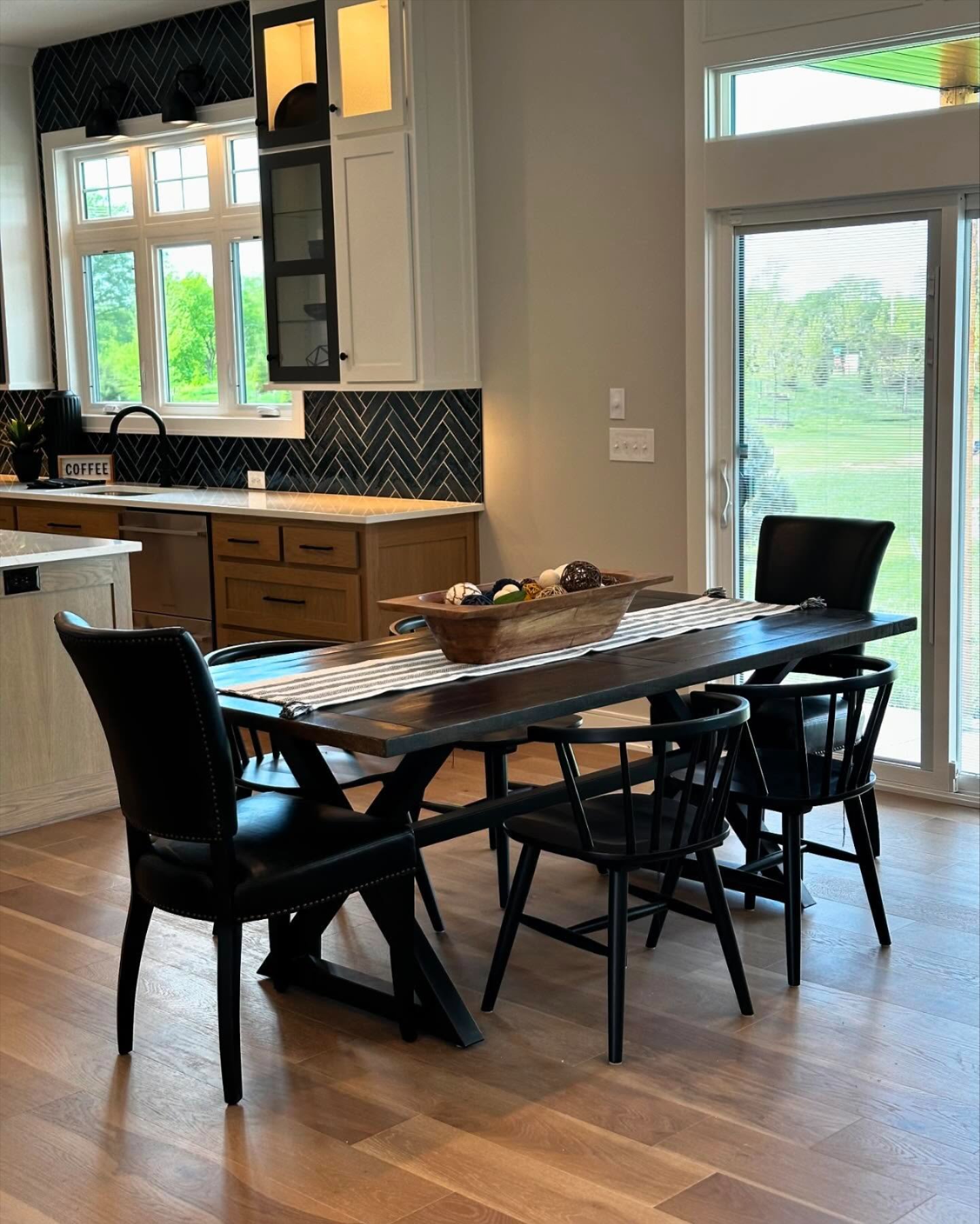
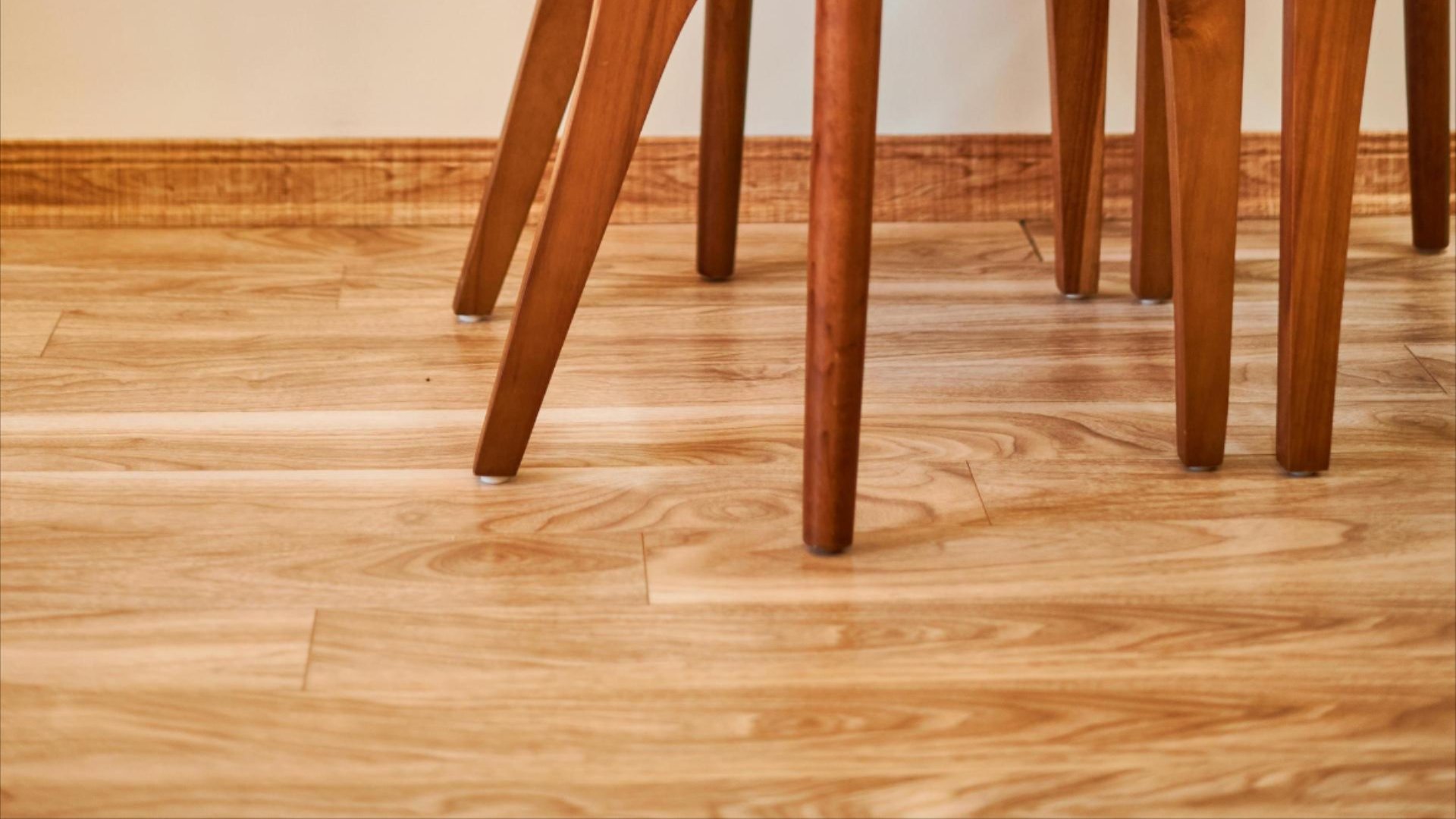
Finish With the Right Details
Trims & Moldings to Complete Your Flooring Project
From clean transitions to polished edges, trims and moldings provide the final touch that brings your hardwood flooring installation together beautifully.
Prefinished Wood Moldings for Solid & Engineered Hardwood Floors
- For Solid & Engineered Hardwood Floors
- Quarter Round – Used as a trim piece along vertical walls and the floor.
- Flush Mount Reducer – Provides a smooth transition between floors of different heights and materials
- Flush Mount Stair Nose – Placed on stairs and landings to cover exposed edges of wood flooring.
- T-Molding – Joins two areas of wood flooring of the same height, usually in doorways or thresholds.
- Baby Threshold – For Engineered Hardwood Floors only. Used to join wood flooring with carpeted areas.
Prefinished Wood Moldings for Longstrip
Hardwood Floors
- Quarter Round – Used as a trim piece along vertical walls and the floor.
- Overlap Reducer – Provides a smooth transition between floors of different heights and materials.
- Overlap Stair Nose – Placed on stairs and landings to cover exposed edges of wood flooring.
- T-Molding – Joins two areas of wood flooring of the same height, usually in doorways or thresholds.
Hardwood Flooring Care & Maintenance Tips
A little routine care goes a long way in keeping your hardwood floors looking beautiful for years to come. Follow these simple do’s and don’ts to protect your flooring from damage and wear, especially in high-traffic areas or homes with pets and kids.
Do’s – Best Practices for Lasting Hardwood
- Vacuum or sweep regularly, especially in busy areas, to remove dirt and grit.
- Trim pets’ nails and keep paws clean to prevent scratches and stains.
- Use window coverings to block UV rays and reduce sun fading; rotate rugs and furniture to promote even aging.
- Remove high heels or damaged shoes that could dent or scratch the surface.
- Use a humidifier during dry seasons to maintain ideal humidity (35%–55%) and prevent wood shrinkage or cracking.
Don’ts – What to Avoid
- Don’t wet-mop or damp-mop your floors. Avoid excess water completely.
- Don’t use steam cleaners, buffing machines, or vacuums with beater bars.
- Avoid cleaning products with oil, wax, ammonia, citrus, or silicone—they can damage the finish.
- Skip harsh abrasives like steel wool or scouring powders.
- Don’t use 2-in-1 polish cleaners that contain acrylics or urethane—these can cause buildup and dull the finish.
A Clean Routine That Works
Start with a soft-bristle broom or vacuum without a beater bar to remove dirt and particles before using a cleaner. For spills, act fast—wipe them up immediately with a clean white cloth and a hardwood-safe product like Mohawk FloorCare Essentials. For sticky messes like gum or candle wax, use ice to harden, then gently lift with a plastic scraper (a credit card works great). Finish by wiping the area clean with a soft, damp cloth—never harsh tools or excess moisture.
Bring the Warmth of Hardwood into Your Home
Our team will help you find the perfect hardwood flooring—plus handle everything from measurement to installation.
Call or fill out the form to get started!
FAQs About Hardwood
What type of hardwood flooring should I use if my room is in a basement or has a concrete subfloor?
If you're installing flooring below ground level or over concrete, engineered hardwood is your best option. It's designed to handle humidity better than solid wood and can often be floated over existing floors, making it ideal for remodels where you want to avoid tearing up the subfloor. Solid hardwood, on the other hand, should only be used above grade and in humidity-controlled environments.
Is there a hardwood flooring option that’s easy to install without glue or nails?
Yes! Engineered hardwood with UniClic® technology offers a glueless, click-lock system that makes installation fast, clean, and secure—perfect for DIY remodelers or contractors working in tight spaces. It locks on all four edges, ensuring a strong, seamless fit without the need for adhesives or staples.
Why does my hardwood floor still look dirty even after I clean it?
Over time, hardwood finishes can develop microscopic scratches that trap dirt, making floors look dull or dingy even after cleaning. Floors treated with Scotchgard™ Protector Advanced Repel Technology help prevent this by creating a protective barrier that repels dirt, stains, and everyday messes—keeping your floors looking newer and more hygienic longer.
What kind of warranty comes with Mohawk hardwood flooring?
Mohawk hardwood flooring is backed by a limited one-year warranty against manufacturing defects for the original purchaser. This warranty does not cover installation errors, and replacements are limited to materials unless the defect was clearly present before installation. For full terms, view the official warranty documents here: Residential Hardwood Warranty (PDF) and Commercial Hardwood Warranty (PDF).
Note: Warranty rights may vary by state. Be sure to review the full documentation to understand your coverage.
How can I prevent scratches and wear on my hardwood floors?
To protect your floors from everyday wear, place high-quality floor mats at all entry points to trap dirt, sand, and other abrasive materials. It's also smart to use mats in high-use areas like in front of kitchen sinks or vanities. For furniture, attach felt pads to the legs and avoid dragging heavy items across the floor—use a dolly instead. If your furniture has plastic or metal wheels, place protective mats underneath or switch to soft rubber casters to avoid surface damage.